Tree surgery in Southwark costs between £250 and £2,500 depending on the service, with demand concentrated in Dulwich, Herne Hill, and Camberwell where the borough’s largest mature trees and densest conservation area coverage create the most work. Tree Surgeons in South London provides professional tree surgery across every neighbourhood in the London Borough of Southwark, from the leafy streets of Dulwich Village to the denser urban areas of Peckham, Bermondsey, and Rotherhithe. Our NPTC-qualified arborists are based in neighbouring Deptford SE8 — a short drive from anywhere in the borough.
Tree surgery services in Southwark cover the full range of arboricultural work for the borough’s diverse mix of properties — from grand detached houses in Dulwich with half-acre gardens to Victorian terraces in Camberwell with rear gardens measured in square metres.
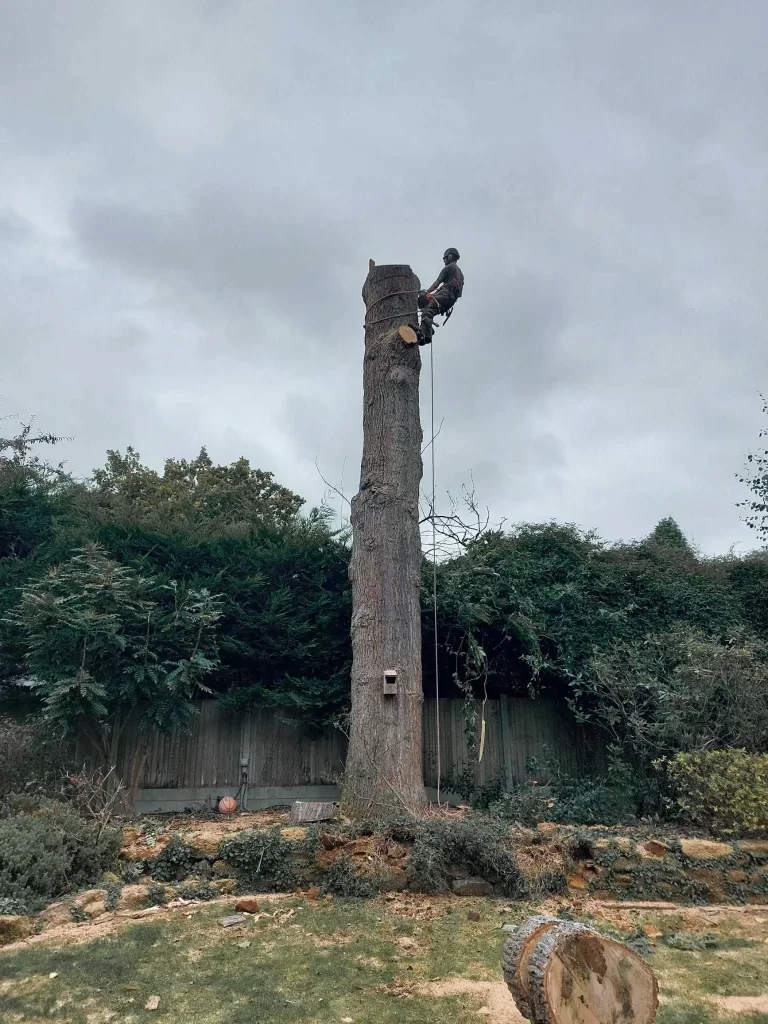
Safe removal of dead, diseased, dangerous, or obstructive trees across the borough. In Dulwich and Herne Hill, removals often involve large mature specimens in substantial gardens. In Peckham, Camberwell, and Bermondsey, the tighter spaces mean most removals require sectional dismantling with limited access.
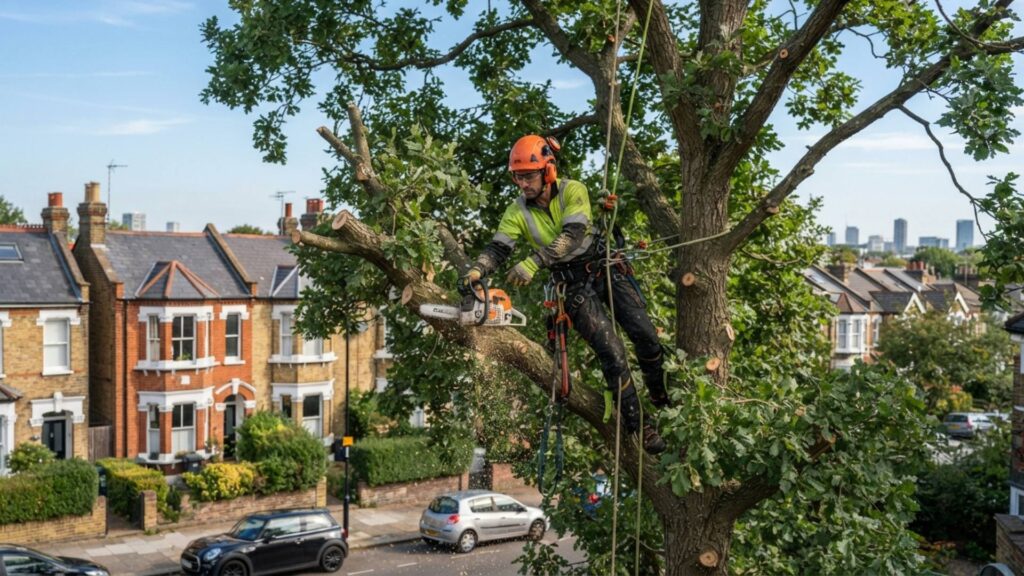
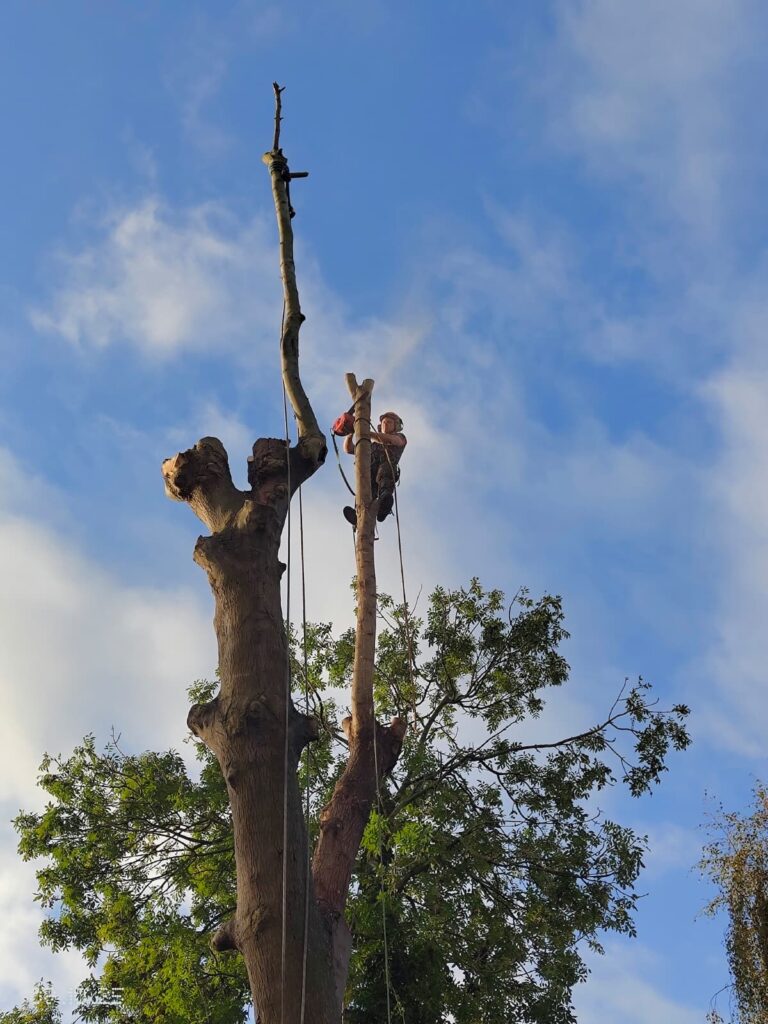
The most requested service in Dulwich and Herne Hill, where mature oaks, beeches, and horse chestnuts regularly need reducing to manage light and size. Southwark’s established gardens — particularly in the Dulwich Estate — contain some of the largest residential trees in South London.
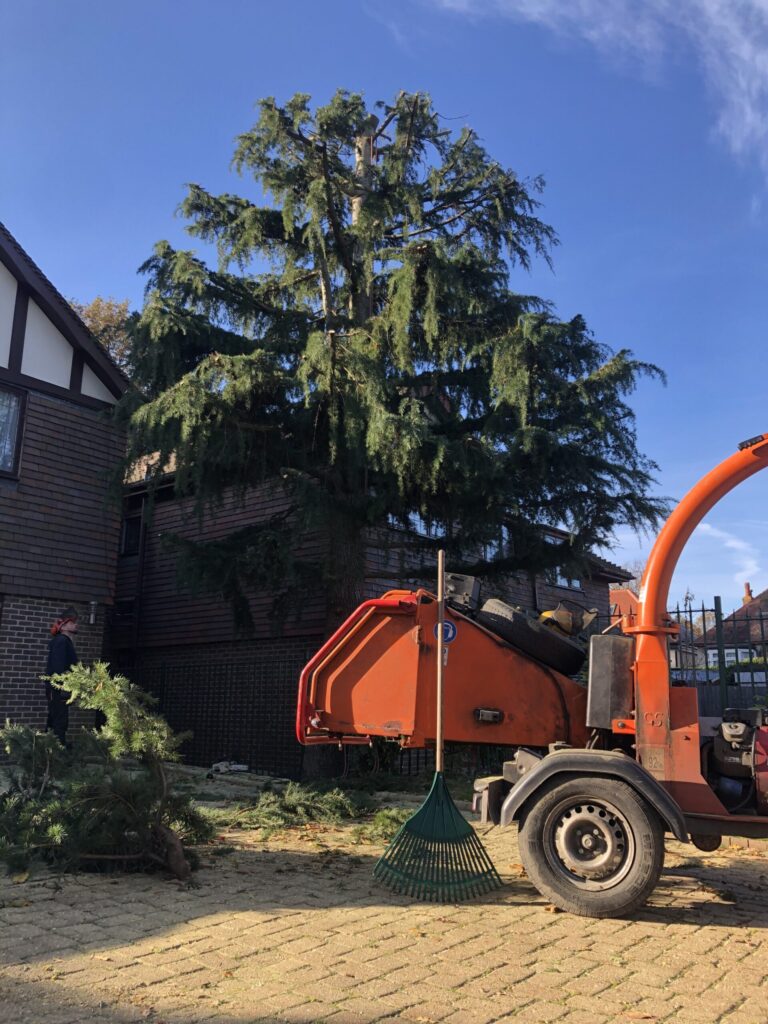
Selective pruning to improve shape, manage growth, increase light, or clear branches. All work to BS3998 standards. We carry out crown thinning, lifting, formative pruning, and deadwood removal across Southwark’s residential and commercial properties.
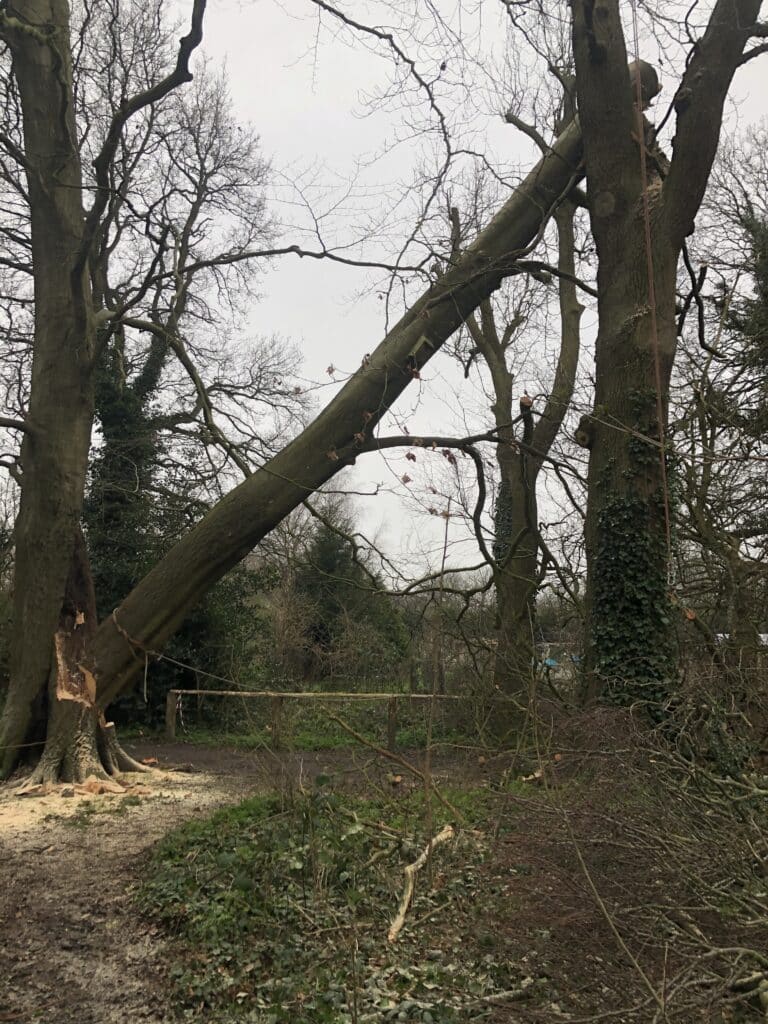
Fast response to fallen trees, storm damage, and dangerous situations. Southwark‘s mature tree stock — particularly in the well-treed southern half of the borough — makes storm damage a regular occurrence during autumn and winter.
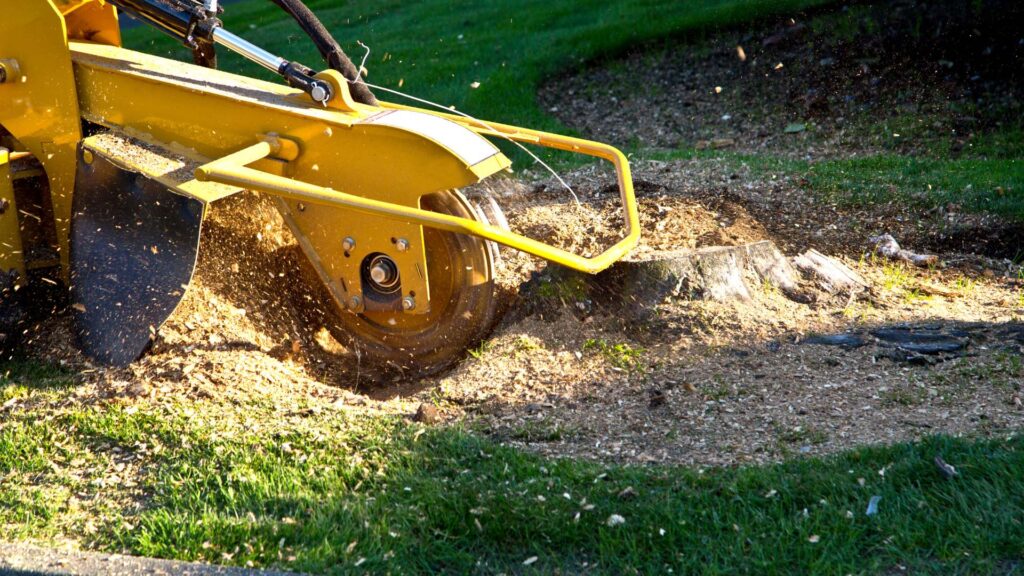
Professional stump removal below ground level. Standalone or alongside tree removal.
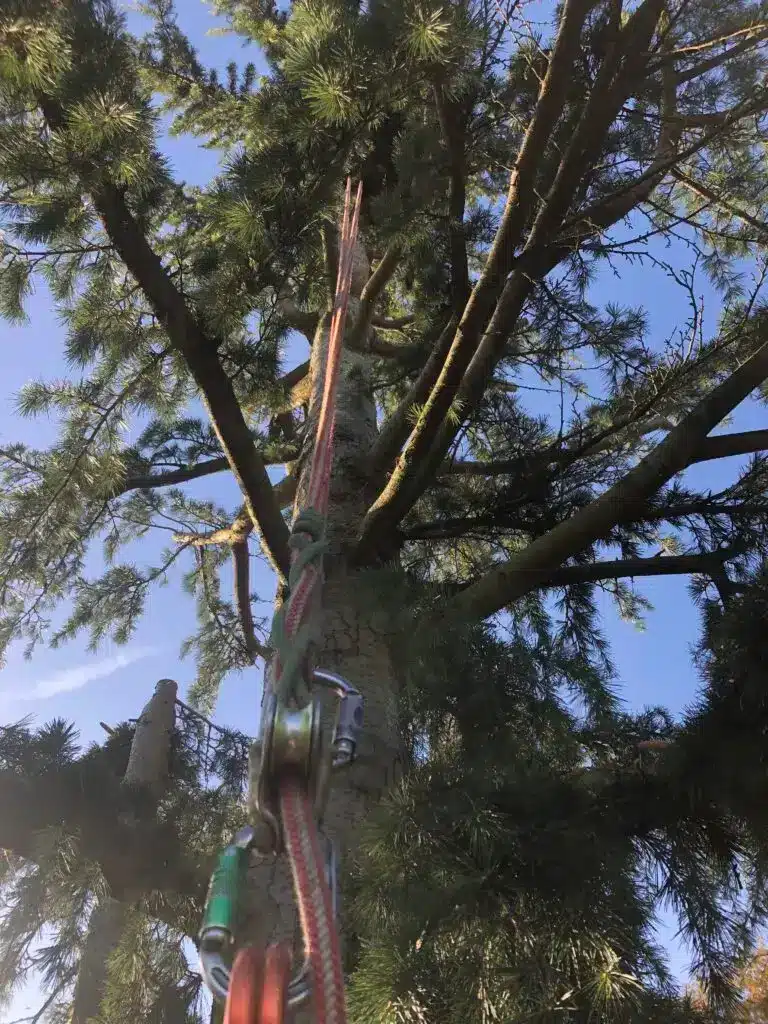
BS5837 surveys for planning applications, safety reports, subsidence investigations, and TPO advice. Southwark has significant ongoing development across the borough — from major regeneration projects in Elephant and Castle to extensions and conversions in Dulwich and Camberwell. Our BS5837 reports meet Southwark Council’s planning department requirements.
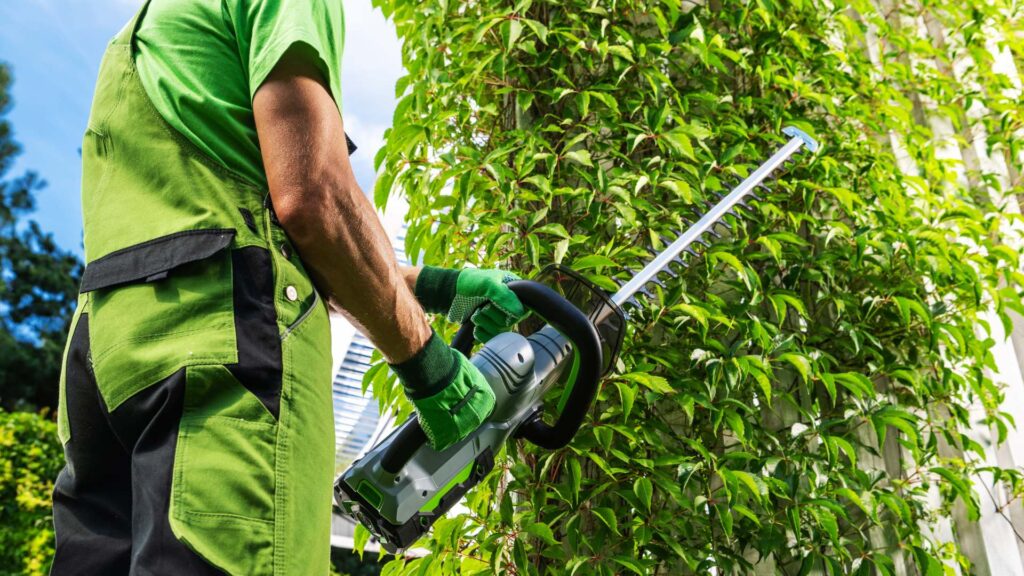
All species and sizes, from the formal hedges of Dulwich to boundary hedges across the borough’s residential streets.
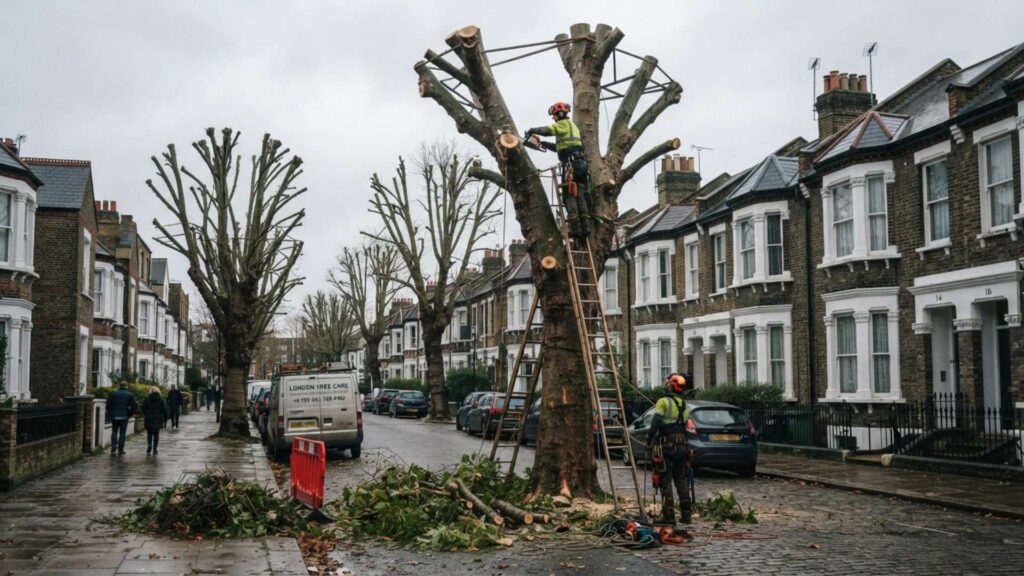
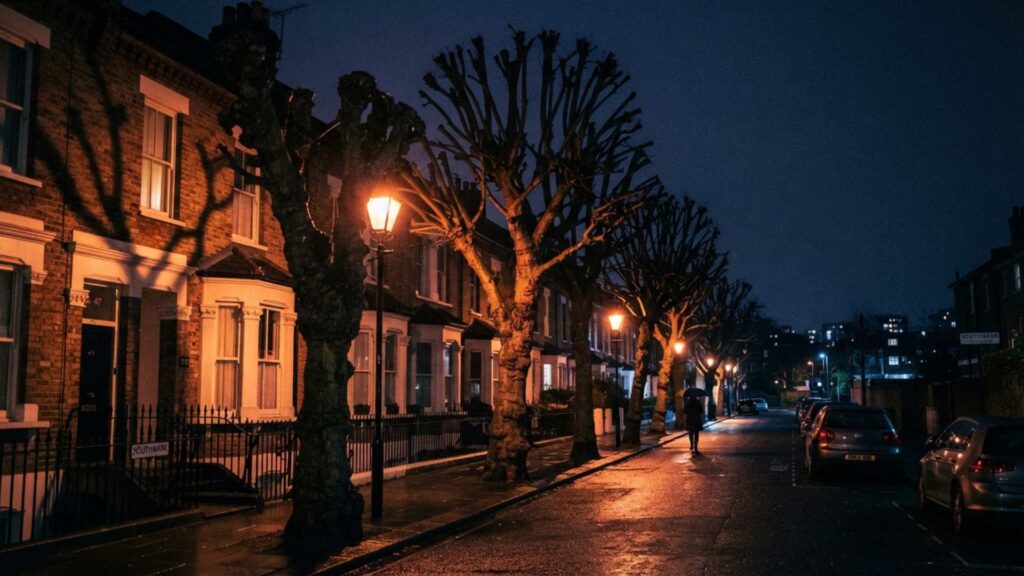
Regular cycle management of London planes, limes, and willows across Southwark’s streets and parks.
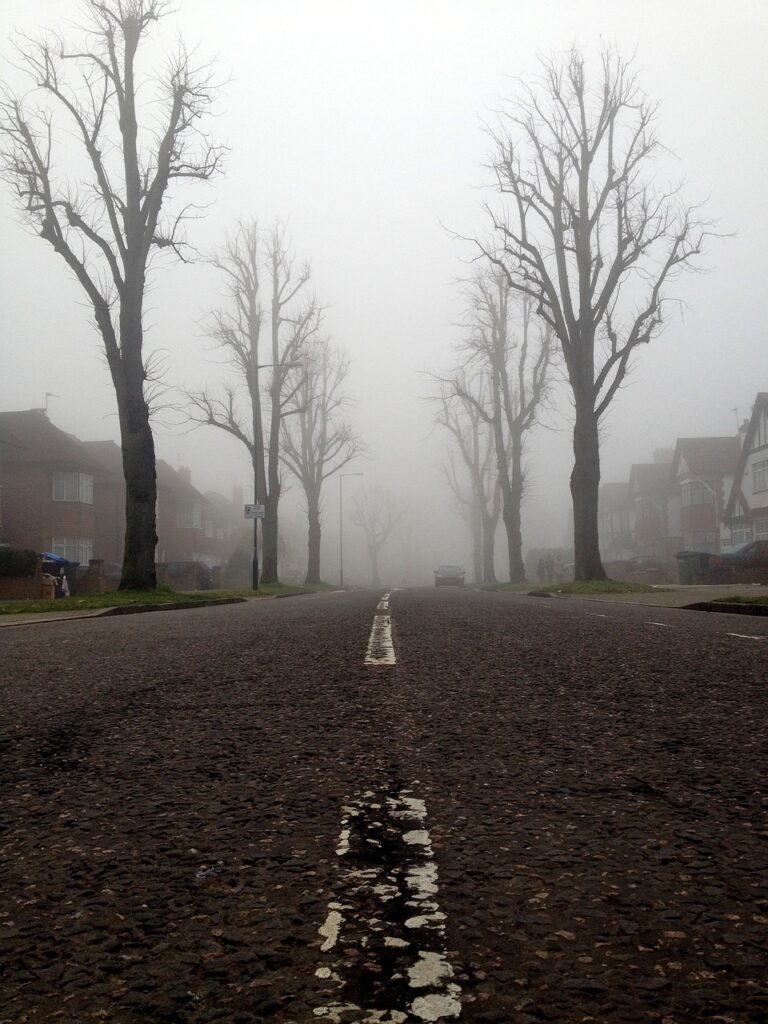
We cover every neighbourhood in the London Borough of Southwark.
The Dulwich Estate is a unique factor in Southwark tree work. The Estate manages approximately 1,500 acres of land across Dulwich, including roads, verges, and common land. Trees on Estate-managed land are subject to the Estate’s own management policies in addition to Southwark Council’s TPOs and conservation area rules.
If you live within the Dulwich Estate area, tree work may require consent from both the Estate and the council, depending on the tree’s location and protection status. We are familiar with the Estate’s processes and can advise on what permissions are needed before work begins.
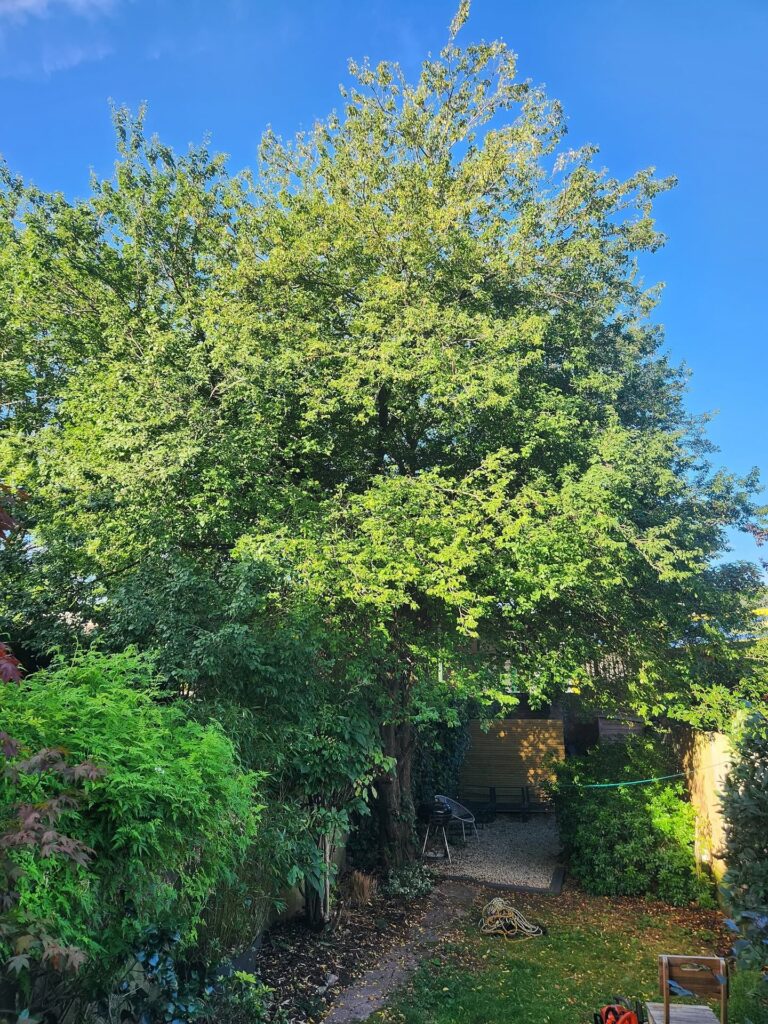
Subsidence and trees in Southwark is a particularly significant issue because the borough sits on London Clay — a shrinkable soil that contracts during dry periods when trees extract moisture through their root systems.
Dulwich, Herne Hill, and Camberwell are the areas most affected. The combination of mature clay soils, large established trees (particularly oaks, willows, and poplars), and Victorian foundations that were not designed to cope with soil movement creates a regular pattern of subsidence claims.
We carry out subsidence investigations to determine which trees, if any, are contributing to foundation movement. Our reports are accepted by insurers and loss adjusters, and our recommendations — root pruning, crown reduction, or removal — are based on arboricultural assessment rather than automatic felling.
We carried out a BS5837 tree survey for a rear extension at a property in Dulwich SE21. The site had seven trees, including a mature English oak that the client was concerned might prevent planning permission.
Our survey categorised the oak as Category A — high quality with a long remaining life expectancy. The Tree Constraints Plan showed the root protection area in relation to the proposed extension footprint. The architect adjusted the foundation design to use pile and beam construction, accommodating the root protection area. Southwark Council approved the application without objection from their tree officer.
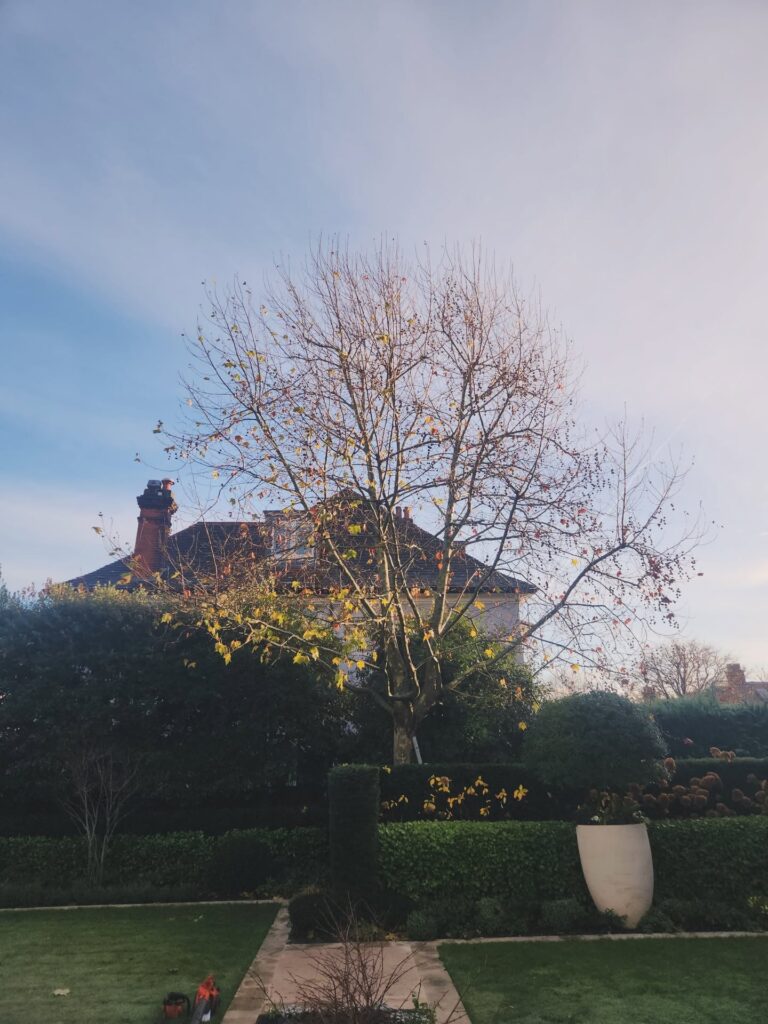
Costs depend on the type of work, tree size, and access. Crown reductions typically cost £500-£1,500. Tree removal ranges from £300 to £2,500. Tree surveys start from approximately £295 for a small residential site. We provide free site visits and fixed written quotes.
Potentially from two sources. If the tree has a TPO or is in a conservation area, Southwark Council consent is required. If the tree is on or near Dulwich Estate-managed land, the Estate’s own consent may also be needed. We check both and handle the process on your behalf.
More common than in many London boroughs due to the combination of London Clay soils and large mature trees — particularly in Dulwich, Herne Hill, and Camberwell. We provide subsidence investigation reports accepted by insurers and loss adjusters.
Yes, we cover the entire London Borough of Southwark from north to south. However, the northern areas (Borough, Elephant and Castle, Walworth) have fewer mature trees and lower demand for tree surgery compared to the southern half of the borough.
Every neighbourhood — Dulwich, East Dulwich, West Dulwich, Herne Hill, Camberwell, Peckham, Nunhead, Bermondsey, Rotherhithe, Denmark Hill, and all surrounding areas.
Call us or fill in the contact form for a free no-obligation quote on any tree work in Southwark. We are based in neighbouring Deptford SE8 and can usually arrange a site visit within a few days.