Deadwood removal in South London typically costs between £200 and £800 depending on the tree’s size, the volume of dead branches, and access — making it one of the more affordable tree surgery services while being one of the most important for safety. Tree Surgeons in South London removes hazardous deadwood from trees across Lewisham, Greenwich, Southwark, Bromley, and Lambeth using climbing and rigging techniques that protect the tree, your property, and everything beneath the canopy. Our NPTC-qualified arborists carry out all work to BS3998 standards.
Deadwood removal is the targeted extraction of dead, dying, or severely diseased branches from a tree’s canopy. Unlike crown reduction or thinning, deadwooding does not change the overall size or shape of the tree. It specifically removes wood that has lost structural integrity and could fall without warning.
Dead branches are unpredictable. A large dead limb can remain attached to a tree for months or even years before breaking free — and you cannot predict when that will happen. In South London‘s dense residential areas, where houses, gardens, paths, driveways, and roads sit tightly packed beneath mature tree canopies, a falling dead branch does not have far to travel before it hits something or someone.
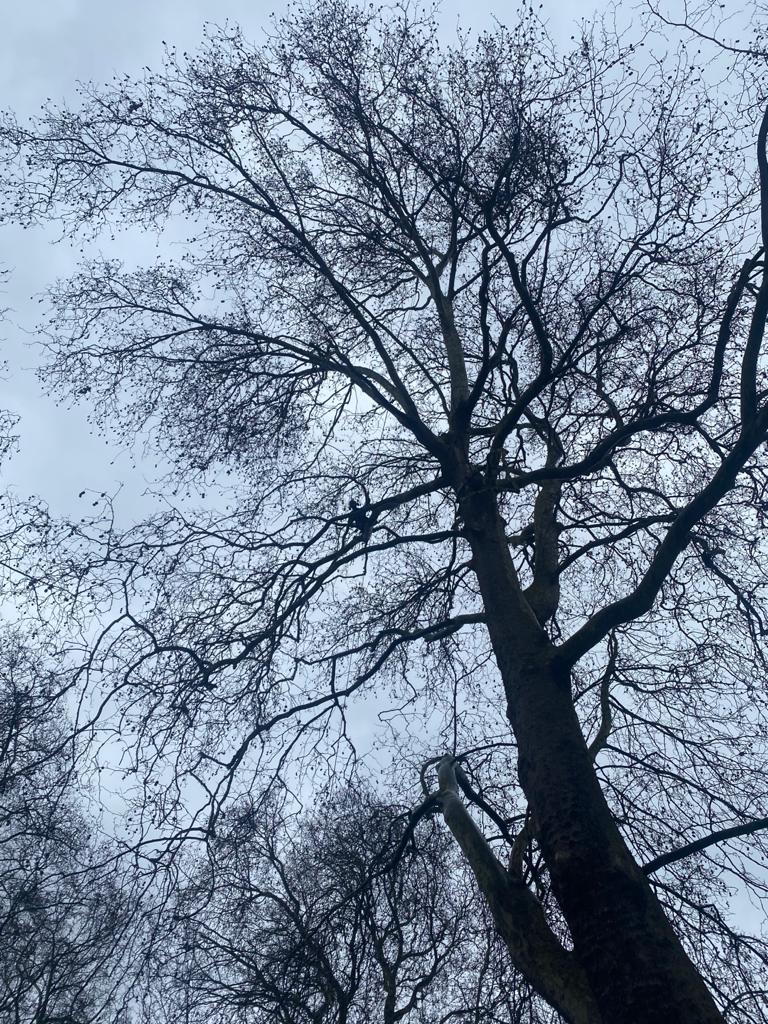
Signs your tree needs deadwooding are often visible from the ground if you know what to look for. You should arrange an inspection if you notice any of the following.
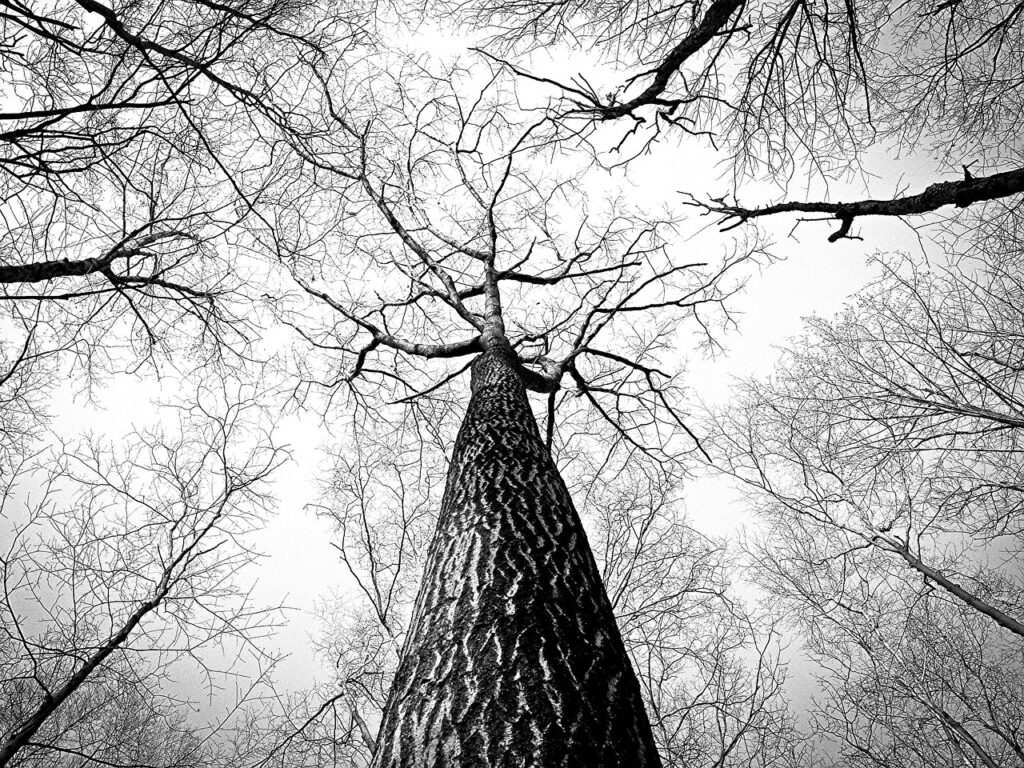
Branches with no leaves during the growing season while the rest of the canopy is in full leaf. Bark that is peeling, cracking, or falling away from branches — exposing bare wood beneath. Visible splits, cracks, or fractures in limbs, particularly at junctions with the trunk. Fungal brackets growing on branches, at branch forks, or on the trunk — a strong indicator of internal decay. Branches that appear lighter in colour than the surrounding live wood. Small dead twigs and fragments accumulating on the ground beneath the tree, suggesting progressive dieback higher in the crown.
Not every dead twig is an emergency. Small dead wood in the upper canopy of an otherwise healthy tree is a normal part of growth. But larger dead branches — anything thicker than your wrist — hanging over a path, garden, driveway, play area, or building should be assessed and dealt with promptly.
If you are unsure, we provide free site visits. Our arborists assess the tree and tell you honestly what work, if any, is needed.
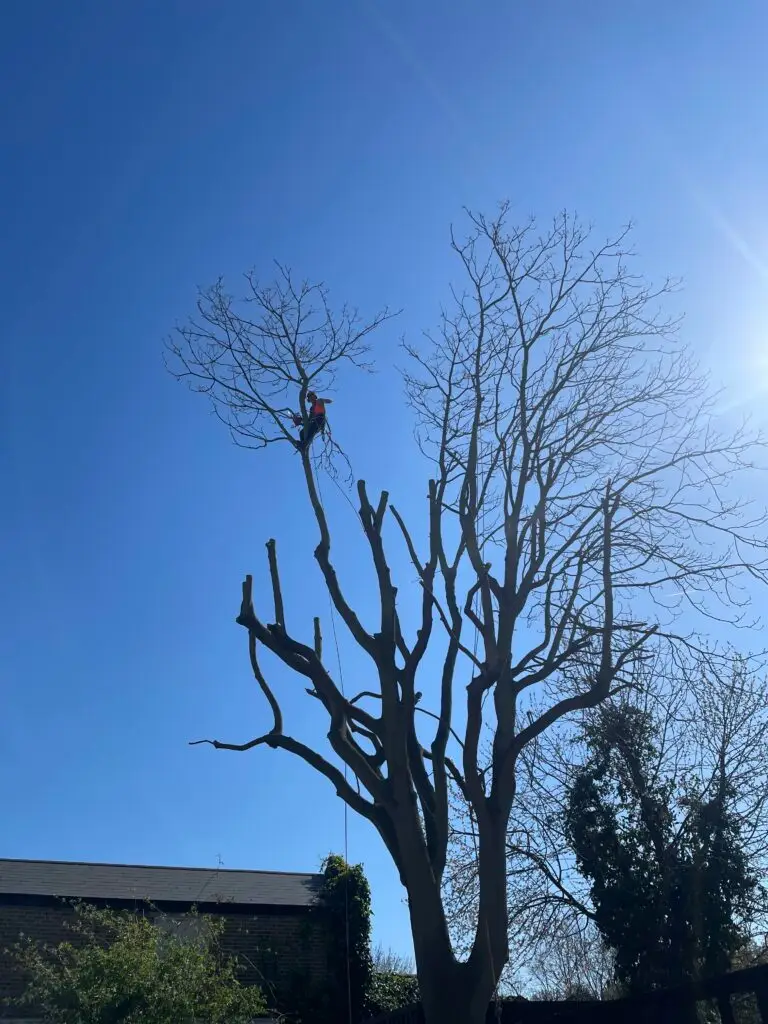
How we remove deadwood safely depends on the tree’s size, the location of the dead branches, and what is beneath them.
We also inspect the live wood as we work. If we discover decay spreading into living branches, structural cracks, or other defects that were not visible from the ground, we stop and discuss the findings with you before carrying out any work beyond the agreed scope.
Common causes of deadwood in South London trees fall into several categories, some natural and some preventable.
Natural dieback
All trees shed branches as part of their growth cycle. Inner and lower branches that are shaded out by the expanding upper canopy gradually die back and eventually detach. This is normal biology, but the dead branches still pose a hazard while they remain attached.
Ash dieback (Hymenoscyphus fraxineus)
Ash dieback has become increasingly prevalent across South London in recent years. The disease causes progressive crown dieback — starting with the outer canopy and working inward. Affected ash trees develop significant volumes of deadwood that must be managed to prevent branches falling on people and property. If you have ash trees showing dieback symptoms, a professional assessment is essential.
Drought stress
Prolonged dry periods cause trees to shed branches as a survival mechanism, redirecting water and nutrients to the remaining canopy. South London’s clay soils shrink significantly during hot, dry summers, which compounds the stress on tree root systems. After the dry summers of recent years, we have seen a marked increase in drought-related deadwood across the area.
Storm damage
Branches cracked or partially broken during storms may not fall immediately. They hang in the canopy as suspended deadwood — sometimes called widow-makers — and can drop unpredictably days, weeks, or months later. These are particularly dangerous because they often go unnoticed after the storm has passed.
Disease and fungal infection
Various pathogens cause localised branch death. Fungal brackets on branches or at junctions are a visible indicator. Honey fungus, which is common in South London gardens, can cause branch dieback as part of a broader infection affecting the whole tree.
Deadwooding as ongoing maintenance makes more sense than waiting for a branch to fall. We recommend regular inspections every two to three years for large mature trees in residential settings — particularly trees that overhang paths, driveways, gardens, play areas, or buildings.
We can set up a recurring maintenance schedule so deadwood is identified and removed proactively. This reduces risk, keeps the tree looking well-maintained, and prevents the spread of decay from dead wood into healthy living tissue.
For property managers, landlords, schools, care homes, and housing associations, a documented tree inspection and maintenance programme also demonstrates compliance with your duty of care under the Occupiers’ Liability Act.
Deadwood removal typically costs between £200 and £800 depending on the tree’s size, the volume of deadwood, and access. It is generally less expensive than a full crown reduction. We provide free site visits and written quotes.
No. Removing dead wood does not harm a living tree. It can benefit the tree by reducing weight on remaining branches and preventing decay from spreading into healthy tissue.
For large mature trees in residential settings, we recommend an inspection every two to three years. Trees affected by disease, in exposed positions, or overhanging high-traffic areas may need more frequent checks.
Yes. Since only dead wood is being removed, there is no biological reason to restrict the timing. However, assessment is often easier during the growing season when the contrast between live foliage and bare dead branches is most obvious.
If we discover structural issues, active decay in live wood, or other concerns, we stop and discuss the findings before carrying out any work beyond the agreed scope. We may recommend a full tree survey, additional pruning, or ongoing monitoring depending on what we find.
Call us or fill in the contact form for a free site visit and quote. We serve Lewisham, Greenwich, Southwark, Bromley, Lambeth, Dulwich, Catford, Deptford, Brockley, Camberwell, Peckham, Blackheath, Herne Hill, Eltham, Forest Hill, and all surrounding areas.